Local B2B service
Laser Cutting services for Sheffield businesses
Laser cutting is a practical route when a Sheffield engineering, manufacturing or construction team needs clean, repeatable profiles from digital drawings. It can suit anything from one-off development parts and repair plates to nested batches of brackets, panels, guards and production blanks. Subcontract Engineering Services provides a clear point of contact for reviewing the requirement, arranging the appropriate cutting route and connecting the profiles with any follow-on fabrication work.
A useful quotation starts with the component geometry, material grade, thickness, quantity and required date. DXF or DWG files are normally the clearest starting point for flat profiles, while a dimensioned PDF helps verify critical sizes, hole diameters and part identification. If the design is still developing, send the information available and identify the dimensions that cannot change. That makes it easier to flag narrow slots, small holes, tight corner details or tolerances that may influence the cutting method.
The service is aimed at B2B buyers in Sheffield who want a commercially sensible manufacturing route, not simply a cut price per part. Material utilisation, nesting, common-line opportunities, batch quantity, edge requirements, handling and secondary operations can all affect the delivered result. Looking at those details together helps prevent avoidable rework when laser-cut blanks later move into folding, machining, welding, coating or assembly.
What the service can cover
- Flat sheet and plate profiles supplied from customer drawings or suitable CAD files.
- Prototype quantities, replacement components, small batches and repeat production orders.
- Brackets, tabs, base plates, covers, guards, panels, flanges and fabrication blanks.
- Part marking, identification and drawing revision control where agreed at quotation.
- Coordination with folding, machining, welding, steel fabrication and surface finishing.
- Material and delivery planning for commercial customers in Sheffield and nearby industrial areas.
Technical points to define before ordering
Designing profiles for laser cutting
Laser cutting follows a digital profile, so drawing quality matters. Closed contours, duplicated lines, tiny gaps and unintentional construction geometry can create delays during programming. Hole size in relation to material thickness, slot width, sharp internal corners and closely spaced features also deserve an early check. A drawing should distinguish cut geometry from reference dimensions and state whether dimensions apply before or after any later folding or finishing operation.
Materials, thickness and edge expectations
The appropriate setup depends on material type, grade, thickness and surface condition. Mild steel, stainless steel and aluminium are common enquiries, but availability and process suitability should be confirmed for each job. Tell us if cosmetic faces must be protected, if dross or oxide requirements are important, or if an edge will become a weld preparation or sealing surface. These practical details are more useful than requesting an unrealistically tight general tolerance across every feature.
From cut blank to finished fabrication
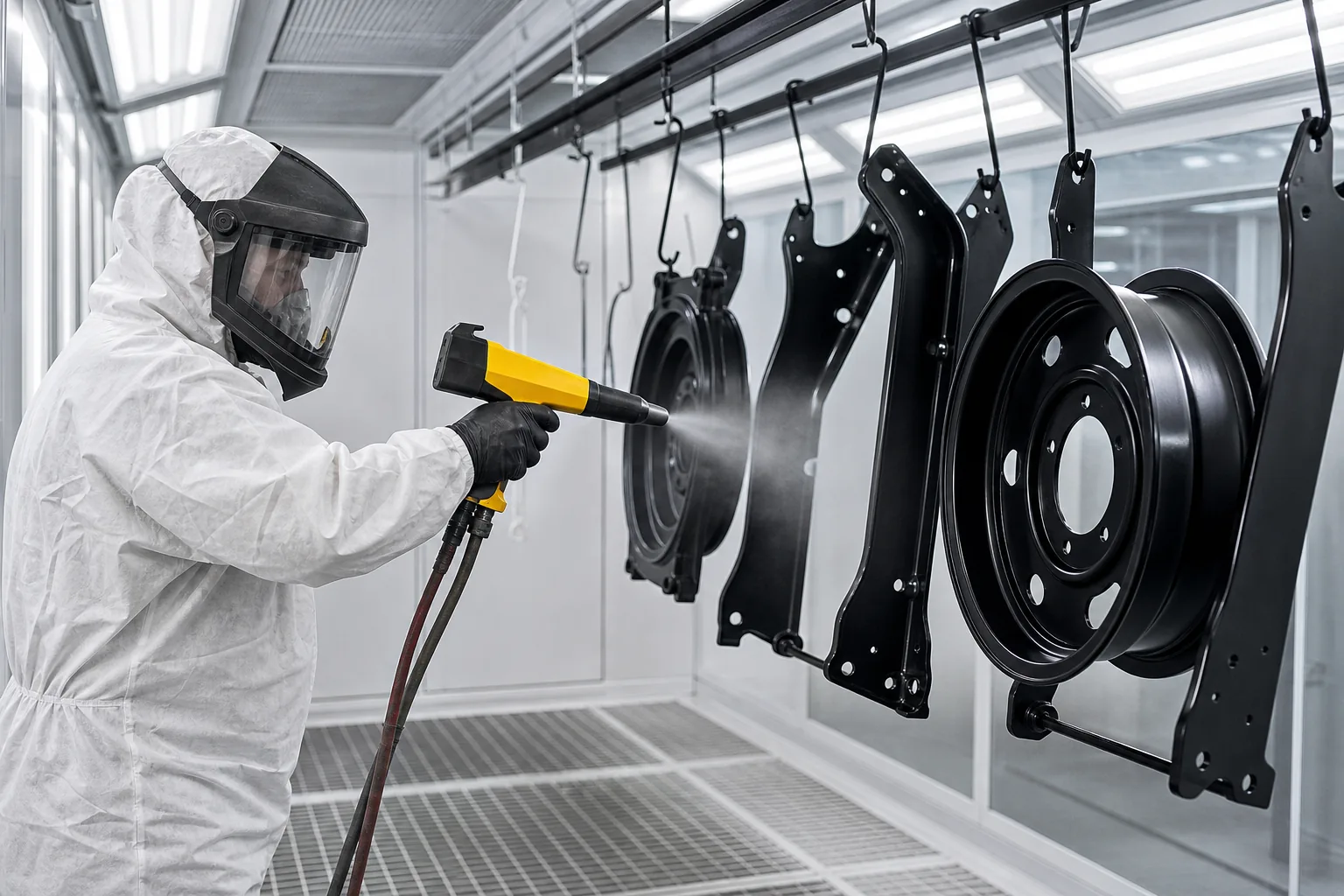
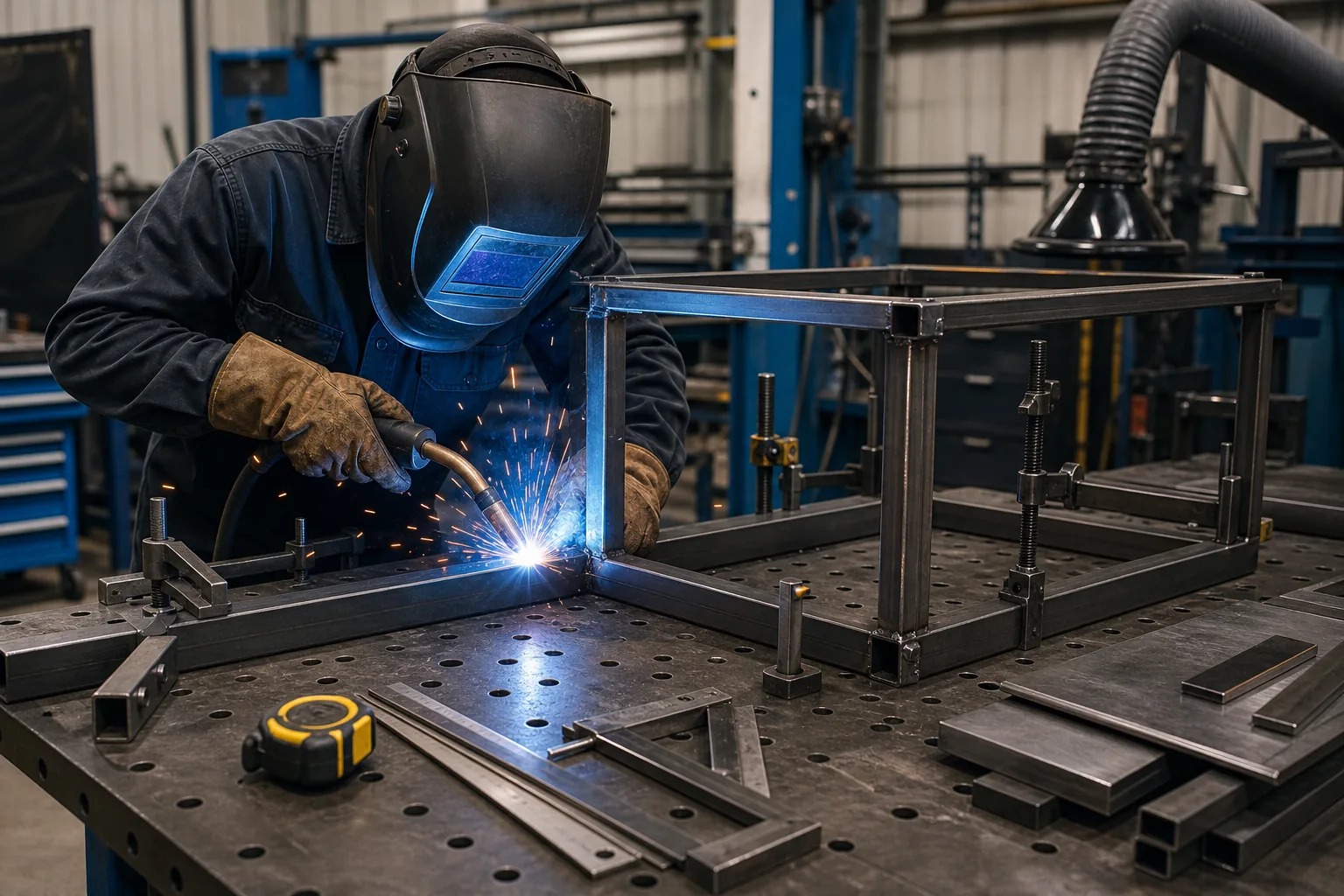
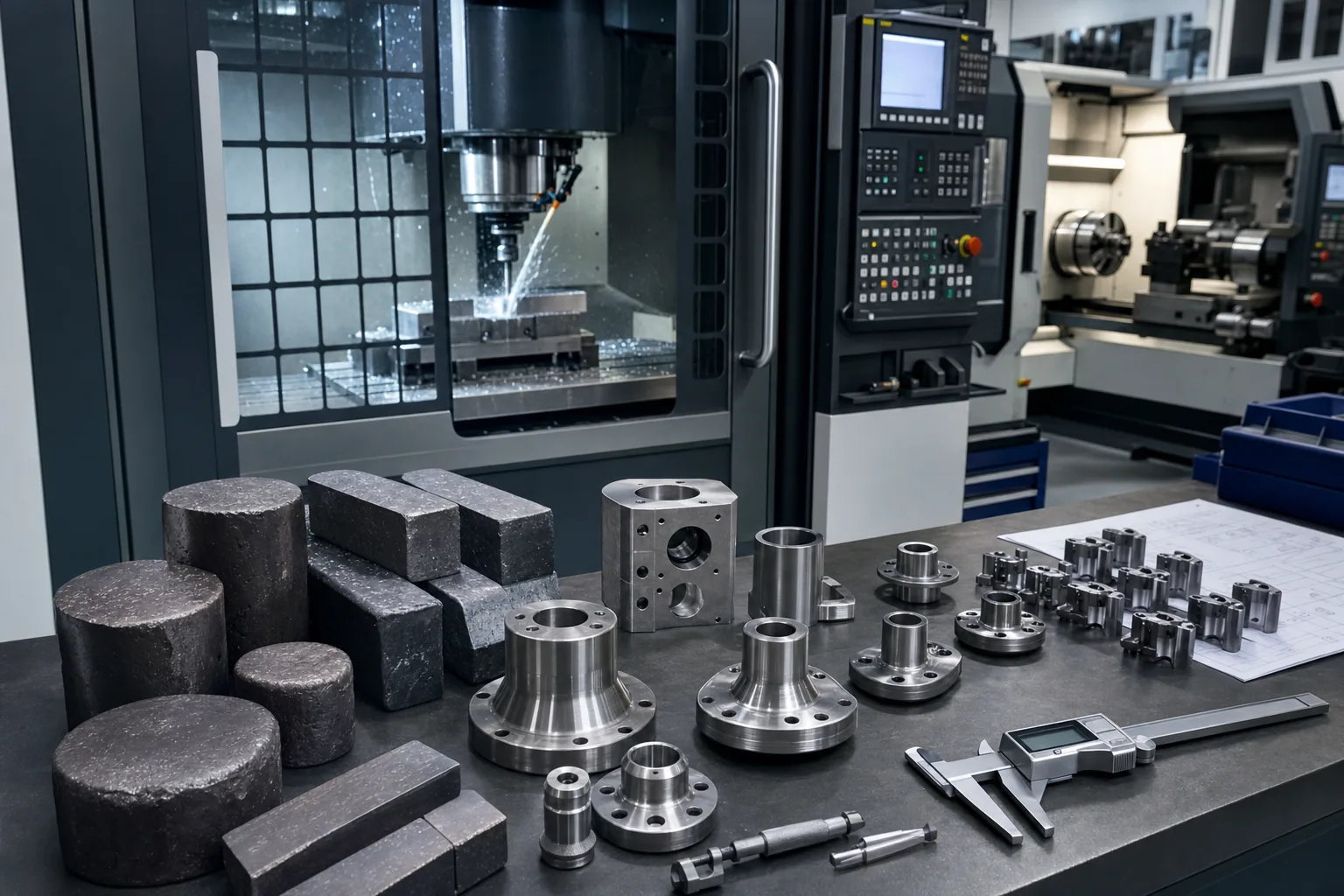
Many laser-cut parts are only the first stage of a larger assembly. Bend lines, weld access, tab-and-slot locations, coating allowance and machining datum faces should be considered before material is cut. Where the project also needs steel fabrication, sheet-metal work, welding, powder coating or machining, the operations can be reviewed as one route. This reduces the risk of a later process conflicting with the original profile design.
Typical laser cutting applications
The following examples show the kind of commercial requirement that may be discussed. They are not a guarantee that every size, material, certification or deadline is available; the actual job is confirmed after technical review.
- machine guards and enclosure panels.
- brackets and mounting plates.
- fabrication blanks and gussets.
- replacement plant components.
- prototype product parts.
- repeat sheet-metal components.