Local B2B service
Machining services for Sheffield businesses
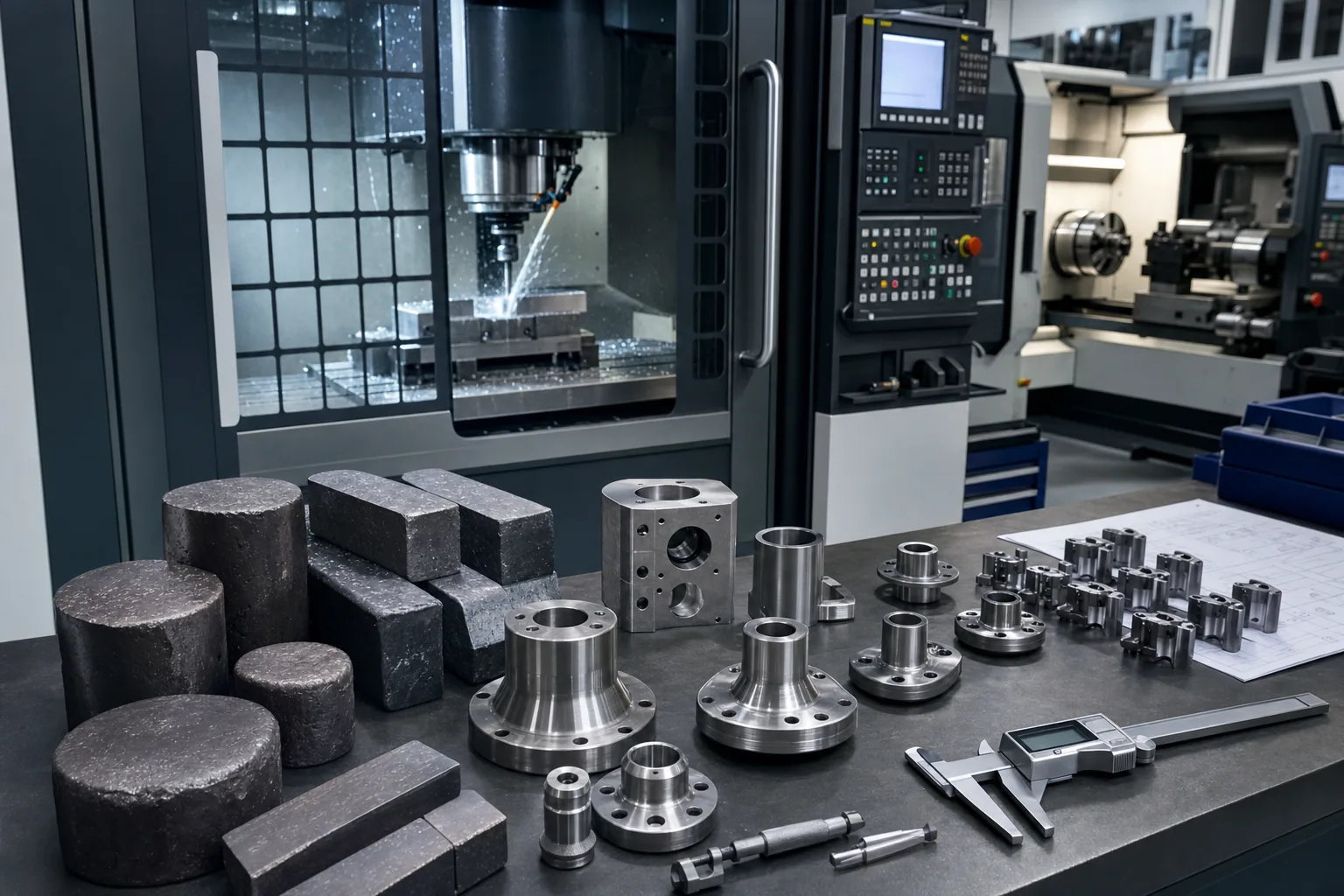
Subcontract machining helps Sheffield manufacturers and maintenance teams obtain components without committing internal machine capacity or specialist tooling. Enquiries may include turned and milled parts, plates, shafts, spacers, bushes, jigs, fixtures, repair components and modifications. Subcontract Engineering Services provides a route for reviewing the drawings, material, tolerances, quantity and related operations needed to deliver a usable part.
Machining cost and lead time are strongly influenced by geometry and specification. Deep pockets, small internal radii, long slender features, difficult workholding and tight tolerances can add operations even when a part looks uncomplicated. A buyer can improve quotation quality by separating critical interfaces from general dimensions, supplying a model with a controlled drawing and explaining the function of unusual requirements.
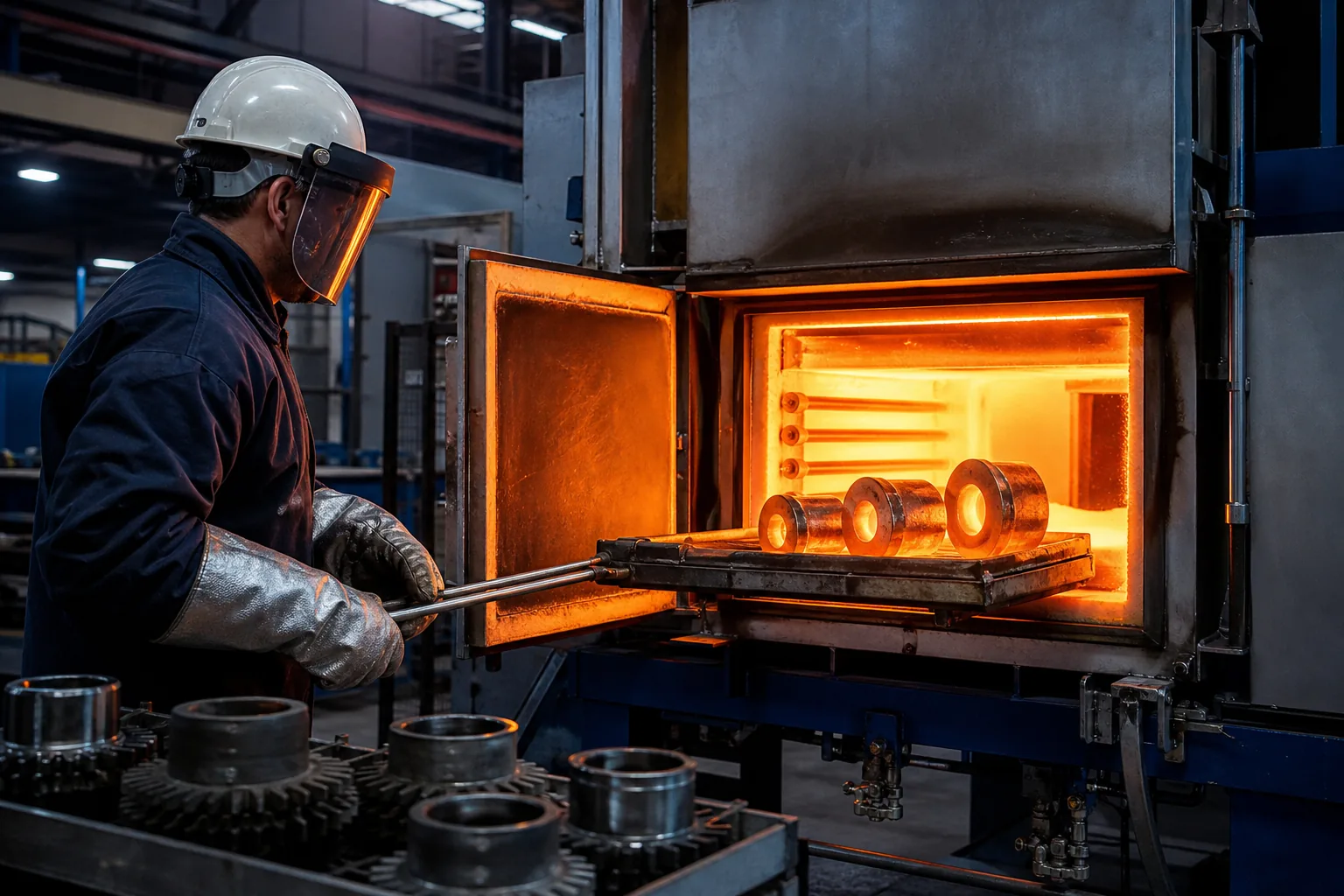
Machined components often connect with other local services. A Sheffield project may need a flame- or laser-cut blank machined on selected faces, a welded frame finish-machined after fabrication, or a part sent for heat treatment and coating. Planning datum features, stock allowance and process order across the complete route helps maintain accuracy and prevents duplicated handling.
What the service can cover
- Turned and milled component enquiries from dimensioned drawings and suitable 3D models.
- Prototypes, one-off repair parts, jigs, fixtures, short runs and repeat production batches.
- Machining of customer-supplied blanks or material supply reviewed with the project.
- Modifications such as drilling, tapping, boring, facing and adapting existing components.
- Coordination with cutting, welding, fabrication, forging, heat treatment and coating.
- Commercial engineering support for Sheffield and South Yorkshire businesses.
Technical points to define before ordering
Drawings, models and tolerances
A STEP model communicates shape but does not fully replace a drawing. The drawing should identify material, dimensional tolerances, threads, fits, surface texture, heat treatment, coating, deburring and inspection requirements. General tolerances should be realistic for the function. Applying close limits to every dimension can add cost and inspection time without improving the assembly.
Material and manufacturing route
Material designation should be exact enough to purchase and verify, including grade, condition and any certification requirement. Stock form also matters: bar, plate, casting, forging or fabricated blank can change allowance and workholding. If material is customer-supplied, provide its condition and dimensions. If a component is safety-critical or traceability is required, state the documentation and marking rules before quotation.
Inspection and repeat manufacture
For one-off parts, inspection may focus on identified critical characteristics. Repeat batches can benefit from an agreed inspection plan, stable datum strategy and controlled revision. First-off approval, sample reports, certificates of conformity or measured results are available only where included in scope. Buyers should list the characteristics that affect fit, motion, sealing or alignment rather than requesting unspecified full inspection.
Typical machining applications
The following examples show the kind of commercial requirement that may be discussed. They are not a guarantee that every size, material, certification or deadline is available; the actual job is confirmed after technical review.
- shafts, pins and bushes.
- plates, spacers and adapters.
- jigs and production fixtures.
- replacement plant components.
- prototype mechanical parts.
- finish-machined fabrications.