Local B2B service
Metal Forging services for Sheffield businesses
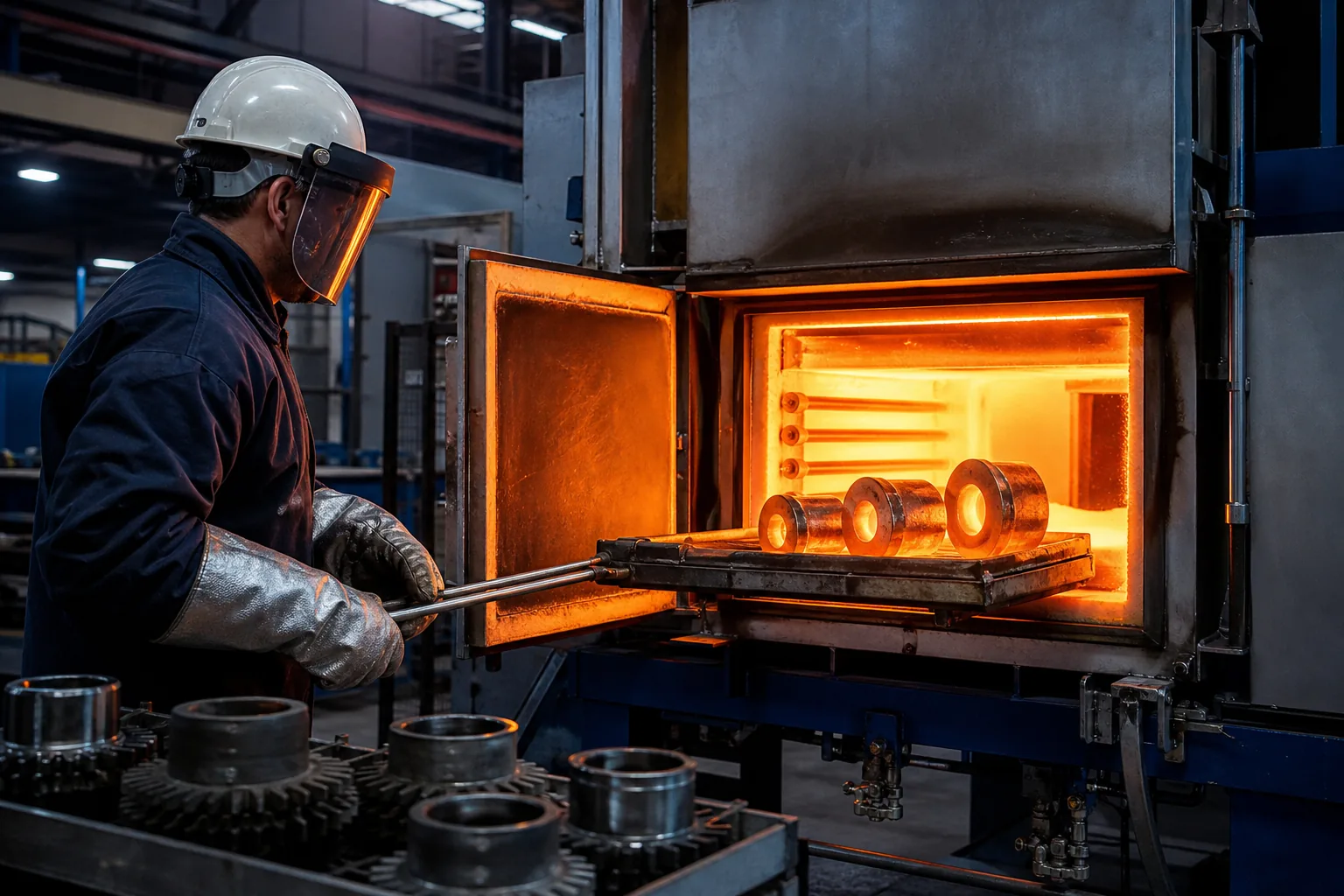
Forging shapes metal through controlled deformation and can provide useful grain flow, integrity and material efficiency for suitable engineering components. Sheffield has a deep association with specialist metals and manufacturing, and local buyers continue to specify forged blanks for shafts, rings, blocks, tools and high-duty parts. Subcontract Engineering Services provides a contact route for defining the alloy, geometry, quantity and downstream operations involved.
A forging enquiry needs more information than the finished dimensions. Starting stock, forging route, draft and radii, scale removal, machining allowance, heat treatment, testing and final grain-flow expectations may all matter. Closed-die tooling can be commercially sensible for repeat volume, while open-die or simpler tooling routes may suit larger sections or smaller quantities. The appropriate route must be reviewed against the actual specification rather than chosen from the part name alone.
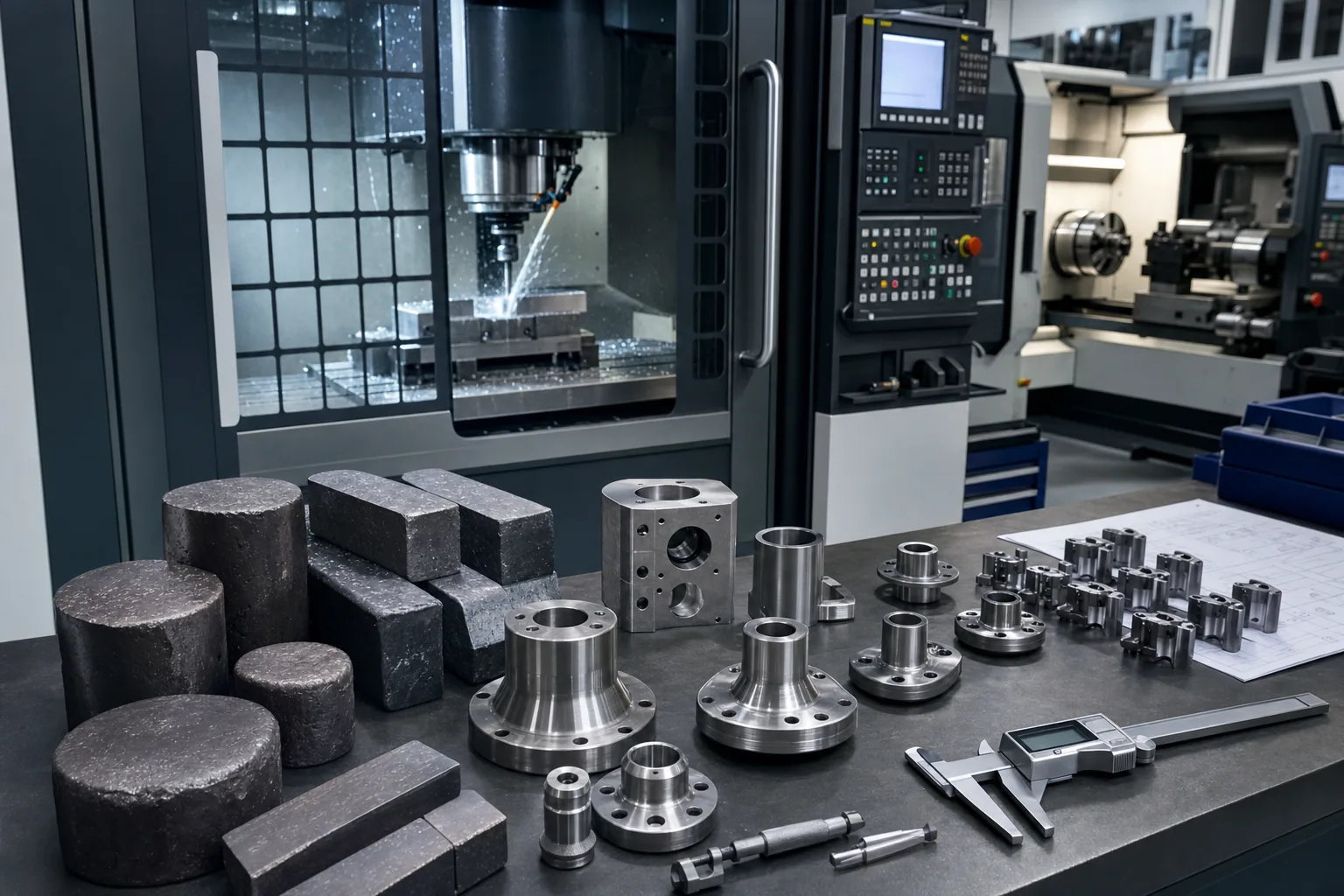
Forged items are frequently supplied as blanks for later machining. Datum strategy, allowance, straightness and the condition after heat treatment therefore need to align with the final drawing. When Sheffield customers include machining, inspection, heat treatment and documentation needs at enquiry, the complete process chain can be considered instead of passing incompatible assumptions between separate stages.
What the service can cover
- Forged blank and finished-component enquiries for commercial engineering applications.
- Open-die, impression-die and ring-type requirements reviewed according to specification.
- One-off, development and production quantities considered with tooling economics.
- Carbon, alloy and stainless steel enquiries subject to grade and route confirmation.
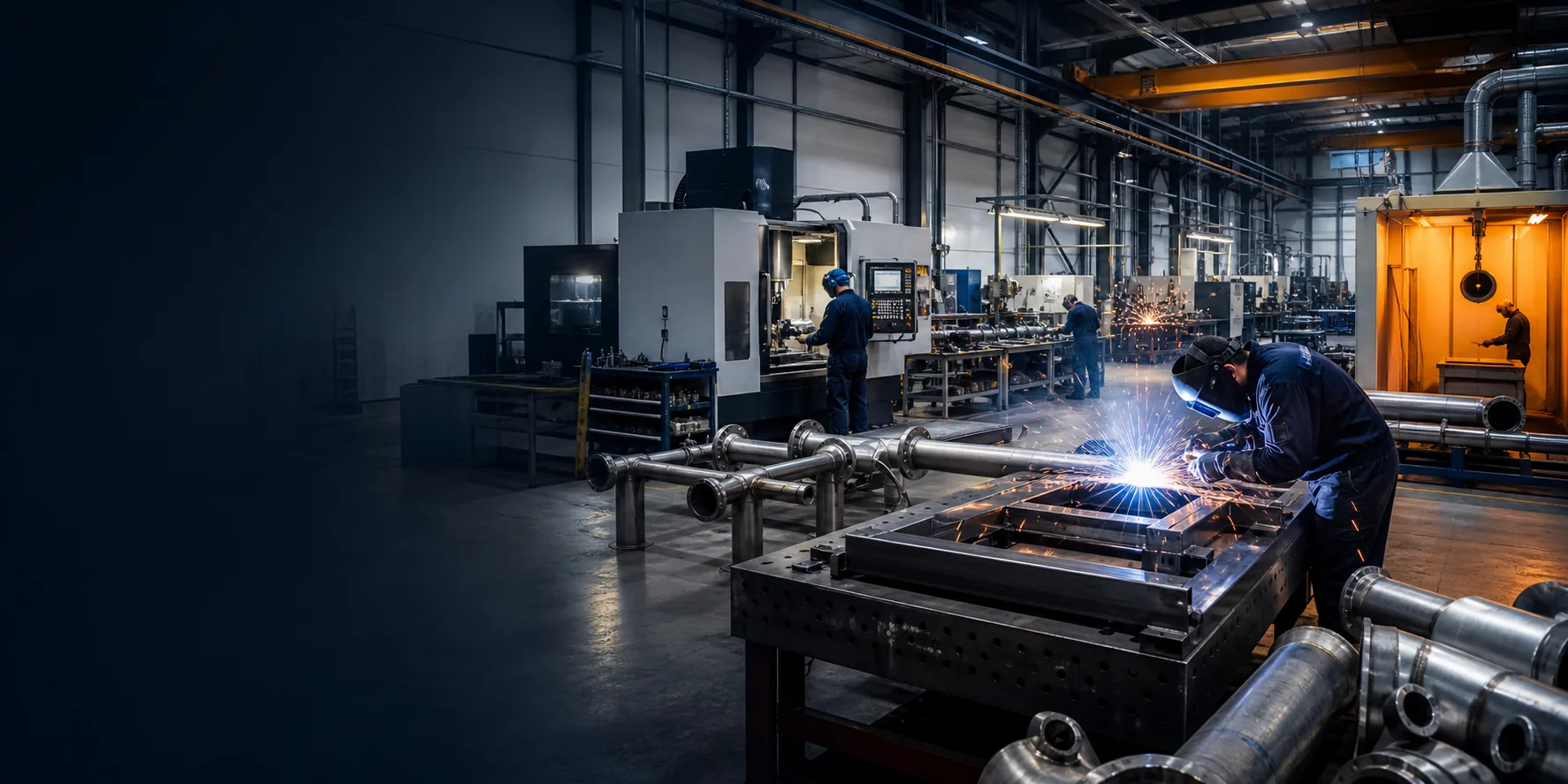
- Coordination of machining, heat treatment, testing, surface preparation and delivery.
- Support for Sheffield procurement teams requiring a clearly documented supply route.
Technical points to define before ordering
Choosing a forging route
Component size, shape, alloy, quantity and performance influence whether open-die, impression-die or another wrought route is appropriate. Tooling investment must be balanced against repeat volume and material savings. Generous transitions and suitable radii support metal flow, while abrupt section changes may complicate filling or increase local strain. Early review of the finished model can identify where the design can better suit the chosen process.
Allowance, heat treatment and scale
A forging may require machining allowance for decarburisation, scale, draft and normal process variation. The allowance must be sufficient without creating unnecessary material and machining time. Normalising, annealing, quenching and tempering or solution treatments depend on alloy and property specification. State whether dimensions, hardness or mechanical properties apply after heat treatment and which surfaces will be machined.
Testing and traceability
Critical forgings may require material certificates, heat identity, ultrasonic examination, mechanical tests, hardness checks, macro examination or other specified evidence. These are not assumed. The drawing and purchase specification should identify the test standard, sampling, acceptance limits, certification type and marking method. Clear requirements allow suppliers to plan test material and documentation before production rather than attempting to reconstruct evidence afterwards.
Typical metal forging applications
The following examples show the kind of commercial requirement that may be discussed. They are not a guarantee that every size, material, certification or deadline is available; the actual job is confirmed after technical review.
- shafts and stepped bars.
- rings, hubs and flanges.
- blocks and shaped blanks.
- tooling and high-duty components.
- preforms for finish machining.
- replacement heavy-engineering parts.