Made in Sheffield · High-temperature engineering

Refractory Anchors Sheffield

Higher-performing refractory anchors manufactured with a quality-first approach, from one-off replacements to large production requirements, together with complete refractory-lined furnace construction.

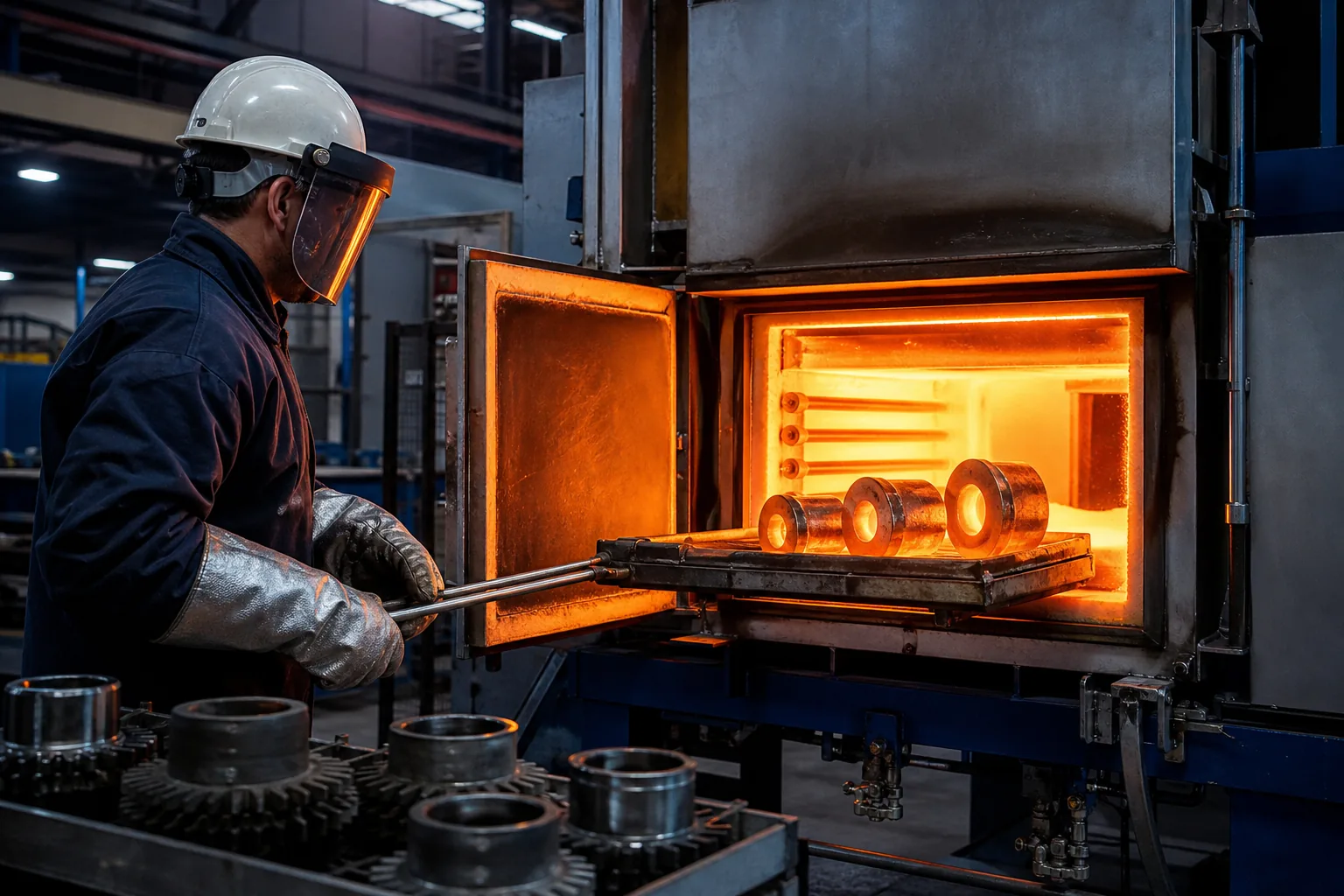
Industrial high-temperature furnace representing refractory anchor manufacture in Sheffield

Quality Sheffield manufacture

A leading manufacturer of quality refractory anchors

Subcontract Engineering Services manufactures refractory anchors in Sheffield for furnaces, kilns, incinerators, boilers, ducts, process heaters and other high-temperature equipment. We focus on the details that determine performance: appropriate alloy selection, consistent forming, controlled dimensions, sound attachment geometry and a design suited to the lining thickness and duty. The aim is not simply to supply a bent piece of wire. It is to produce a reliable anchoring component that helps the refractory lining remain supported through heat-up, operation, thermal cycling and planned shutdowns.

Our flexible manufacturing route supports urgent repair quantities, one-off replacement anchors, prototypes, development samples, scheduled maintenance packs and repeat production batches. Standard forms can be supplied where they suit the application, while special dimensions and made-to-drawing shapes can be reviewed for existing or new equipment. No job is too small and no job is too big to discuss.

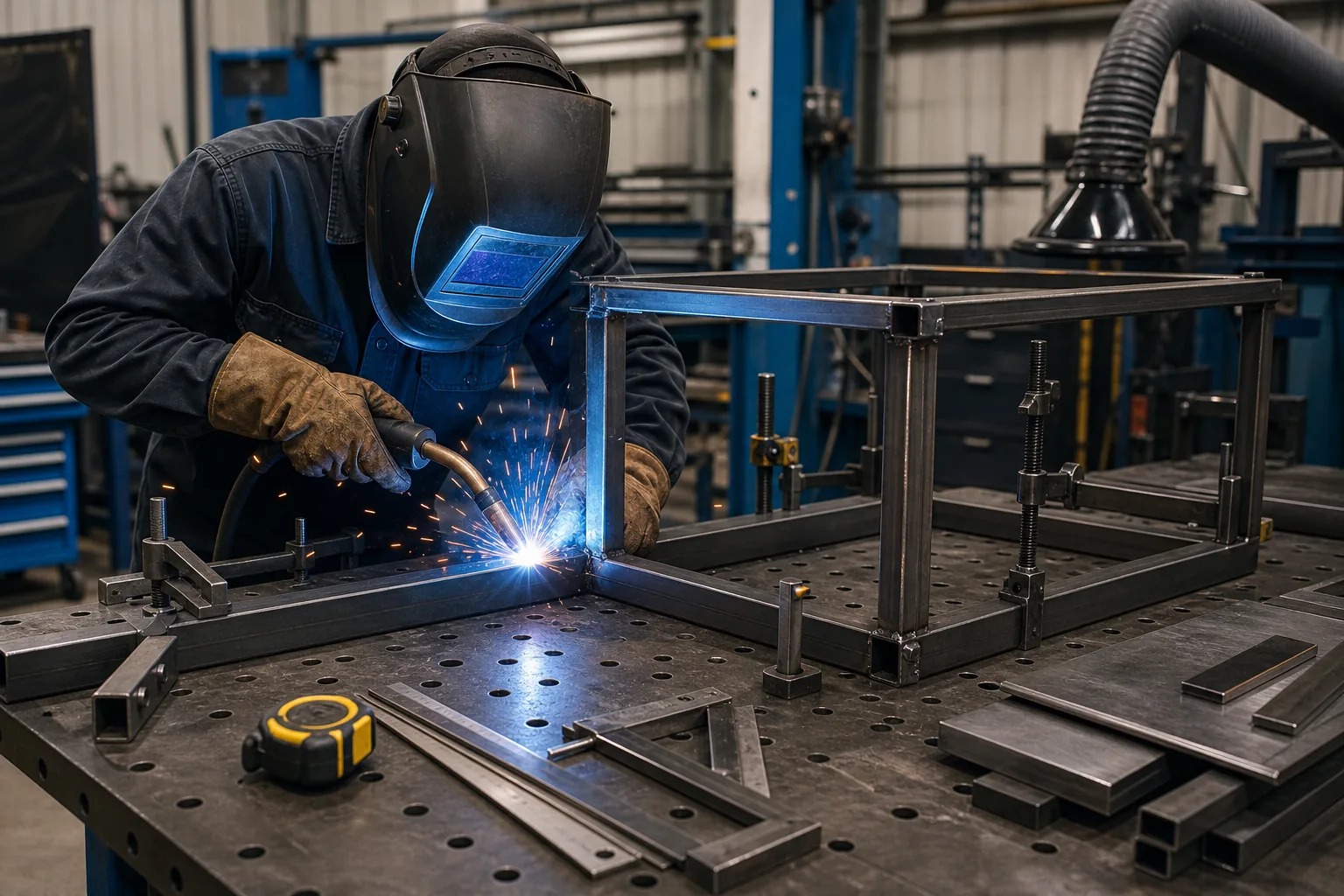
We can also take the project beyond individual components. Our engineering and fabrication capability supports the construction of refractory-lined furnaces, furnace shells, frames and associated metalwork, followed by the agreed anchoring and lining system. For repair and reline work, the starting point may be an existing furnace that needs inspection, removal of failed material, local steelwork repair, a revised anchor arrangement and a new refractory installation.

Refractory anchor types made to suit the lining

The best anchor form depends on whether the lining is castable, gunned, rammed, brick or ceramic fibre; how thick and heavy it is; where the anchor sits; and how the equipment expands. We can manufacture or develop a range of forms, subject to the drawing, grade and attachment requirements:

  • V anchors and split-leg V anchors for monolithic refractory linings.
  • Y anchors for deeper embedment and higher holding capacity.
  • Crook, wave, zig-zag, fork, twist and corrugated anchor forms.
  • Flat-bar and plate anchors for heavy or specially designed linings.
  • Studs, clips, brick anchors and ceramic-fibre fixing components.
  • Custom refractory anchors produced from a controlled drawing or approved sample.
  • Anchor assemblies and fabricated support systems for furnace construction and relines.

Wire diameter, strip section, leg spread, overall height and tip position all influence how the anchor supports the refractory. The anchor is normally designed to finish below the hot face so it is protected by a suitable refractory cover, but the required embedment and cover must come from the lining design. Expansion allowance, weld position, shell curvature and anchor spacing also need to be considered as a system rather than selected independently.
Material selection guide

Recommended refractory anchor grades by temperature

Use this table as an initial selection guide. The temperatures refer to the estimated metal temperature at the anchor, not automatically the furnace chamber temperature.

Anchor materialIndicative anchor-metal rangeTypical recommendation
Carbon steelUp to about 400°CCool-face, backup or low-temperature positions where oxidation and corrosion are limited.
304 / 304H stainlessAbout 400–750°CGeneral moderate-temperature service in reasonably clean oxidising conditions.
316 / 316L stainlessAbout 400–750°CSimilar heat band to 304 where improved resistance to wet or chemical corrosion is needed during operation or shutdown.
321 / 321H stainlessAbout 550–850°CStabilised mid-temperature grade for furnace equipment and elevated-temperature strength.
309 / 310S stainlessAbout 800–1,050°CHigh-temperature furnace anchors needing better oxidation and scaling resistance than standard stainless grades.
253 MA (EN 1.4835)About 850–1,100°CStrong choice for high heat, combustion gases and repeated thermal cycling; published alloy capability can reach about 1,150°C in suitable air service.
Nickel alloy 601 (EN 2.4851)About 1,000–1,150°CPremium option for very high temperatures, oxidation, carburisation and demanding furnace atmospheres; higher limits require application-specific review.

Important: furnace temperature is not anchor temperature

A furnace operating at 1,200°C does not necessarily require every anchor to withstand 1,200°C. Refractory insulation creates a temperature gradient, so the anchor root at the steel shell can be far cooler than the tip nearer the hot face. Conversely, an exposed tip, thin lining, local hot spot, burner flame or damaged refractory can raise the metal temperature sharply. Final selection should use the predicted temperature profile and the worst credible service condition.

Published maximum temperatures are not automatic design temperatures. Water vapour, sulphur, chlorides, reducing or carburising gases, thermal cycling, creep loading, welding, alloy availability and the required service life can all change the correct choice. We therefore confirm the proposed grade against the individual furnace and lining duty before manufacture.

Higher performance

Refractory anchors engineered for reliable retention

A higher-performing anchor starts with a clear duty, not simply a higher alloy number. Material must be matched to temperature and atmosphere, while geometry must support the refractory without creating an unnecessary stress concentration. Form consistency is important because uneven anchor height or leg spread can alter cover, spacing and local support across a lining.

Where the design calls for it, formed or corrugated profiles can improve mechanical keying into monolithic refractory. Tip treatment or expansion accommodation may help reduce restraint as the metal and lining heat at different rates. These details should be specified deliberately and applied consistently rather than added as an uncontrolled workshop variation.

Quality requirements can include material certification, heat or batch traceability, dimensional inspection, manufacturing records, sample approval and agreed packaging. State these requirements with the enquiry so the appropriate control route can be included from the start.

What we can control

Manufacturing points that matter

  • Verified material grade and section against the purchase requirement.
  • Controlled overall height, leg spread, bends and attachment features.
  • Repeatable forming for installation at the specified spacing and cover.
  • Suitable welding or fixing details agreed with the furnace shell material.
  • Inspection and documentation matched to the application.
  • Clear identification and packaging for shutdown or installation teams.

Complete project capability

Refractory-lined furnace construction

When the requirement is larger than a box of anchors, we can discuss construction of the complete refractory-lined furnace. The project may combine steel fabrication, access doors, burner or element openings, frames, lifting points, guards and supports with the anchoring arrangement, insulation and hot-face lining. Bringing the shell and lining interfaces together early helps avoid clashes, inaccessible welds and unprotected penetrations later in the build.

For existing equipment, the scope may cover a local repair, partial reline or full strip-out and rebuild. Condition, contamination, shell distortion, corrosion, old attachment points and access all affect the method. The agreed plan should also address waste removal, installation sequence, curing or dry-out, temperature ramp and return-to-service responsibility.

Typical furnace and lining work

  • New fabricated furnace shells and structural frames.
  • Anchor layout manufacture, supply and installation.
  • Castable, gunned, brick or ceramic-fibre lining systems to an agreed design.
  • Door, hearth, roof, wall, duct and burner-area lining work.
  • Maintenance repairs, hot-spot investigation and planned relines.
  • Coordination of curing, controlled dry-out and commissioning requirements.

Better quotations

Information to send for a refractory anchor quote

A useful quotation needs enough information to separate a standard low-temperature fixing from a safety-critical high-temperature anchoring system. Send the latest controlled drawing where possible. If a failed sample is the only reference, include clear photographs, overall dimensions and details of where it operated.

  • Anchor type, drawing, dimensions, wire diameter or strip section.
  • Required alloy grade and any material specification.
  • Quantity now, spare requirement and likely repeat demand.
  • Furnace operating temperature and estimated anchor metal temperature.
  • Process atmosphere, fuel, contaminants and heat-up or shutdown cycle.
  • Refractory type, lining thickness, anchor spacing and hot-face cover.
  • Attachment method, shell material and welding requirements.
  • Certificates, traceability, inspection and marking requirements.
  • Sheffield or UK delivery address and the required date.

For complete furnace work

Provide general arrangement drawings, chamber size, working temperature, heat source, process atmosphere, load, door arrangement, penetrations, available electrical or fuel services and site constraints. If the project is a reline, include the existing lining build-up, known failure locations, shutdown window, access and waste arrangements. Design responsibility, standards, thermal calculations, refractory specification, dry-out and commissioning must be clearly allocated before the work begins.

From one anchor to a complete furnace

Small repair orders matter because a single missing or failed component can hold up maintenance. Large programmes matter because consistency, identification and scheduling affect the whole installation. Our approach is the same at either end: understand the duty, agree the technical basis and manufacture the required quality. No job is too small and no job is too big to bring to us for review.

Helpful answers

Refractory Anchors Sheffield FAQs

These answers provide a practical starting point. Final material, design, price, compliance and lead time are confirmed for the individual application.

What temperature grade should be used for refractory anchors?

Select from the calculated anchor metal temperature, atmosphere, lining design and duty cycle—not the furnace temperature alone. Typical choices progress from carbon steel through 304, 321, 310S, 253 MA and nickel alloy 601 as heat or environmental severity increases.

Do you manufacture custom refractory anchors in Sheffield?

Yes. Custom V, Y, crook, wave, fork, stud, clip and made-to-drawing forms can be discussed in wire, rod, flat strip or plate, subject to material availability and technical review.

Can you make a single replacement anchor?

Yes, one-off replacements, repair quantities, prototypes and production batches can all be considered. No job is too small or too large to discuss.

Can you construct complete refractory-lined furnaces?

Yes. The scope can include furnace steelwork, anchoring systems, insulation and refractory lining construction, repairs or relines. Design, dry-out and commissioning responsibilities are agreed for the individual project.

Is 310 stainless always the right high-temperature anchor grade?

No. 310S is widely useful, but 253 MA may be preferred for severe cycling and nickel alloy 601 may be considered for hotter or more aggressive service. A lower grade may also be sufficient where the protected anchor metal runs much cooler than the furnace chamber.

What do you need to quote?

Send the drawing or sample, material grade, dimensions, quantity, lining thickness, temperature, atmosphere, attachment method, certification needs, delivery location and required date.

Related services

Engineering support for refractory projects

Refractory anchoring often connects with shell fabrication, welding, furnace repair and controlled heat-treatment equipment.

Made in Sheffield

Discuss your refractory anchor or furnace project

Call 07864 286692 or email info@subcontractengineeringservices.co.uk with the anchor drawing, alloy, quantity, furnace conditions and required date.